


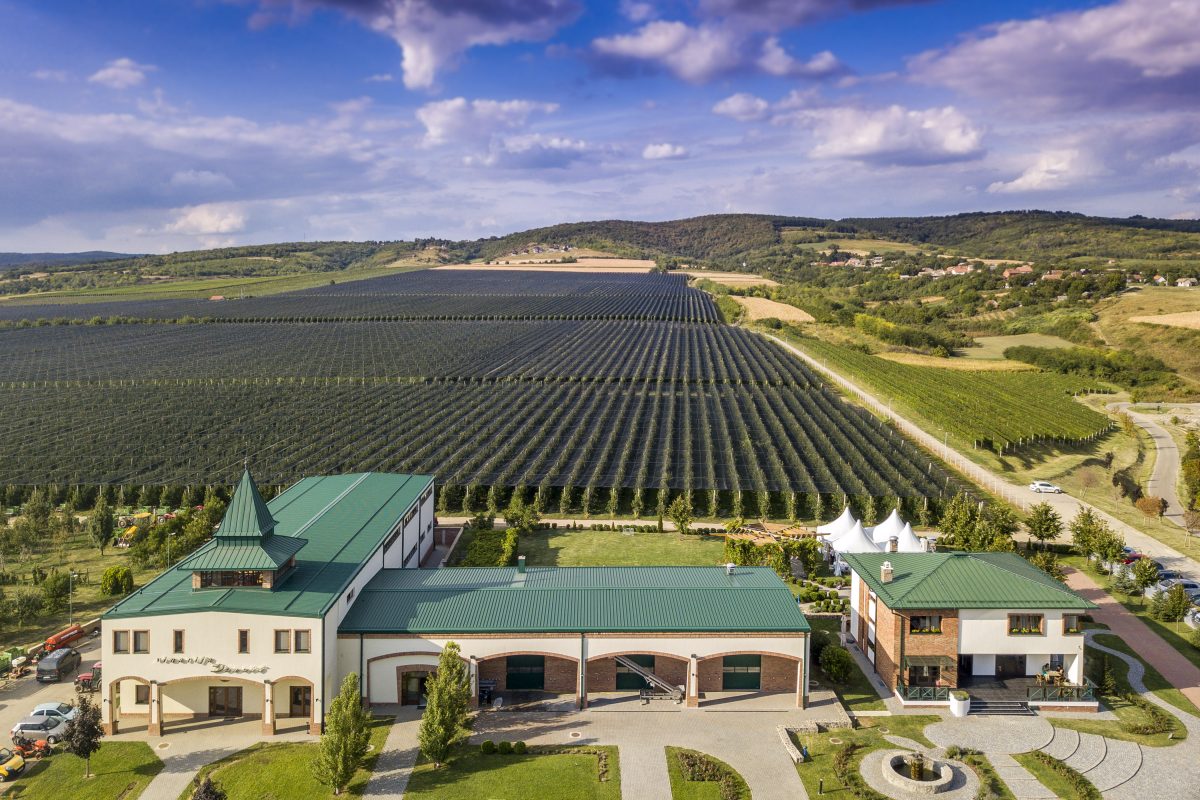
If you are spending your summer in Belgrade and feel like stretching your wine journey a bit rfurther west, Fruška Gora in Serbia is a natural next step. Just across the border, in the northern province of Vojvodina, this low, forested mountain rises gently above the Danube and the Pannonian plain. Its slopes are covered with vineyards, dotted with Orthodox monasteries, and criss‑crossed by quiet country roads that make it one of the most atmospheric wine regions in the Balkans. Often called the “Serbian Tuscany” or the “wine heart of the Pannonian plain,” Fruška Gora offers a completely different mood from Herzegovina: greener, cooler, and shaped by Central European and Danubian influences.
Where Fruška Gora Lies and How the Region Is Shaped
Fruška Gora sits in the Srem district of northern Serbia, between the Danube River and the flatlands of Vojvodina. The mountain itself is not high, but it is perfectly positioned: its slopes catch the sun, its forests moderate the climate, and the Danube provides both moisture and cooling breezes. This combination has made it a natural home for vineyards for centuries.
The region is easy to reach from Novi Sad and Belgrade, and many wineries are clustered around traditional wine villages, making it ideal for day trips and multi‑stop wine tours.
Subregions of the Fruška Gora Wine Region
While Fruška Gora is often spoken of as a single wine region, it is actually a patchwork of smaller zones, each with its own character.
Sremski Karlovci and the Danube Slopes
On the eastern side of Fruška Gora, the historic town of Sremski Karlovci sits above the Danube, surrounded by vineyards. This area is famous for its sweet and fortified wines, especially Bermet, as well as aromatic whites. The slopes here are steep and well‑exposed, giving grapes excellent ripening conditions.
Irig and the Central Slopes
Around the town of Irig, vineyards spread across rolling hills and gentle inclines. This central belt of Fruška Gora is home to many modern wineries and a mix of white and red varieties. The soils are diverse—loess, clay, and limestone—allowing winemakers to experiment with different styles.
Banoštor and the Northern Side
On the northern side of the mountain, near the Danube, villages like Banoštor enjoy a slightly cooler, breezier climate. The wines here often show freshness and bright acidity, especially in whites and rosés.
Šid, Erdevik and the Western Edge
Toward the western edge of Fruška Gora, near Šid and Erdevik, vineyards benefit from a combination of continental and Pannonian influences. This area is known for structured reds and complex whites, with some of the region’s most ambitious estates.
Together, these subregions create a varied wine landscape that rewards exploration—perfect for visitors who enjoy moving from one style and setting to another in a single day.
A Short History of Wine on Fruška Gora
Wine has been made on Fruška Gora since Roman times, when the Pannonian frontier of the empire was lined with garrisons, villas, and vineyards. The slopes above the Danube were recognized early as ideal for grape growing, and viticulture continued through the Middle Ages, supported by the many Orthodox monasteries that still stand on the mountain today. Visit Serbia
During the Habsburg period, Fruška Gora became an important wine supplier to the imperial cities. Sremski Karlovci, in particular, developed a reputation for its sweet and fortified wines, which were traded across Central Europe. The famous Bermet—a spiced, aromatized wine that can be dry or sweet—was served at the court in Vienna and reportedly on the Titanic.
The 20th century brought wars, collectivization, and industrialization, but also the creation of large cooperatives and state wineries. In the last few decades, a new wave of private producers has transformed Fruška Gora again, focusing on quality, terroir expression, and wine tourism. Today, the region is one of Serbia’s most dynamic wine areas, combining deep tradition with modern winemaking.
Indigenous and Key Grape Varieties
Fruška Gora is best known for its white wines, but it produces a full spectrum of styles. The mix of indigenous and international varieties gives winemakers a broad palette to work with. thebalkanpour.com Serbia.com
Grašac (Welschriesling)
Locally called Grašac, this is one of the signature white grapes of Fruška Gora. It produces fresh, crisp wines with apple, citrus, and floral notes, often with a pleasant mineral edge. In the right hands, Grašac can also yield more serious, age‑worthy wines.
Riesling
Riesling has a long history on Fruška Gora and thrives in the cooler, Danube‑influenced sites. Styles range from dry and steely to off‑dry and aromatic, often with lime, green apple, and white flower notes.
Bermet (Style Rather Than Grape)
Bermet is not a grape but a traditional aromatized wine made by macerating herbs, spices, and dried fruits in wine, then fortifying it. It can be red or white, dry or sweet, and is a unique specialty of Sremski Karlovci and Fruška Gora.
Other Whites
Chardonnay, Sauvignon Blanc, Pinot Blanc, and Traminer are widely planted and often blended with local varieties. They add international familiarity while still reflecting Fruška Gora’s terroir.
Reds
Among red grapes, Merlot, Cabernet Sauvignon, Cabernet Franc, Pinot Noir, and Frankovka (Blaufränkisch) are common. They produce everything from light, juicy reds to serious, oak‑aged wines with structure and depth.
Wine Styles of Fruška Gora
Because of its varied microclimates and grape varieties, Fruška Gora offers a wide range of wine styles that can appeal to different palates.
Fresh, Crisp Whites
Many wineries focus on clean, stainless‑steel‑fermented whites from Grašac, Riesling, and Sauvignon Blanc. These wines are ideal for summer drinking—zesty, refreshing, and perfect with salads, river fish, and light dishes.
Aromatic and Off‑Dry Whites
Riesling, Traminer, and some blends are made in a more aromatic style, sometimes with a touch of residual sugar. These wines pair well with spicy food, cheeses, and richer appetizers.
Barrel‑Aged Whites
Chardonnay and selected Grašac or blends may be aged in oak, gaining texture, complexity, and notes of vanilla, toast, and nuts. These wines appeal to those who enjoy fuller‑bodied whites.
Elegant Reds
Pinot Noir and lighter expressions of Merlot and Frankovka offer soft tannins, red fruit, and spice. They are versatile food wines and work well with grilled meats, charcuterie, and roasted vegetables.
Structured Reds
Cabernet Sauvignon, Cabernet Franc, and more concentrated blends from the western and central slopes can be powerful and age‑worthy, with dark fruit, firm tannins, and oak influence.
Bermet and Dessert Wines
Bermet stands apart as a regional specialty—served as an aperitif or digestif, often with desserts or nuts. Fruška Gora also produces late‑harvest and sweet wines from Riesling and other varieties, showcasing the region’s ability to balance sweetness with acidity.
Wineries to Discover on Fruška Gora
The mountain is dotted with wineries ranging from small family cellars to ambitious modern estates. Here are ten names that often appear on Fruška Gora wine routes and tasting itineraries:
Kovačević Winery
Deurić Winery
Mačkov Podrum
Vinum Winery
Šapat Winery
Erdevik Winery
Kiš Winery
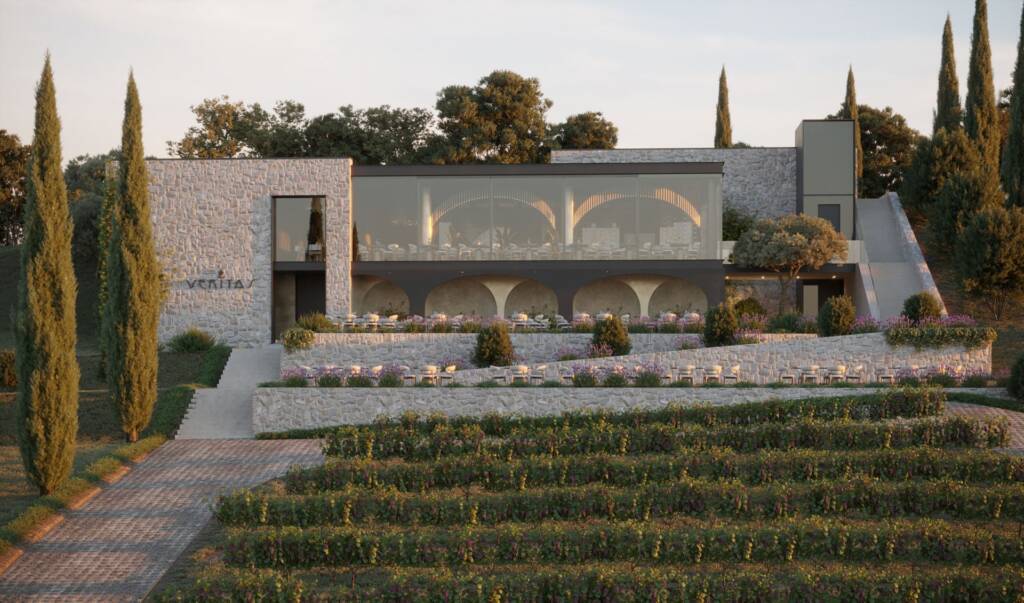
Veritas Winery
Chichateau
Imperator Winery
Each of these producers has its own style and story—some focus on traditional varieties and Bermet, others on modern blends and single‑vineyard bottlings. Many offer tastings, cellar tours, and food pairings, making it easy to build a full day of visits.
Why Fruška Gora Works So Well as a Summer Wine Destination
For someone already exploring Mostar, Trebinje, and Herzegovina, Fruška Gora offers a fascinating contrast. Instead of karst and stone, you get forests and soft hills; instead of purely Mediterranean influence, you feel the touch of the Danube and Central Europe.
In summer, the mountain’s forests provide shade and cooler air, while the vineyards open up to wide views over the plains and the river. Wine routes connect villages, monasteries, and viewpoints, so you can easily combine tastings with short hikes, monastery visits, or a relaxed lunch in a traditional salaš (farmstead).
A typical day on Fruška Gora might include:
Morning visit to a monastery and a nearby winery
Lunch in a village restaurant with local specialties and house wine
Afternoon tastings at two or three estates, sampling Grašac, Riesling, and Bermet
A sunset view over the Danube with a glass of crisp white or rosé
For visitors who love wine, landscape, and a slower pace, Fruška Gora feels like a natural extension of a Balkan wine journey that starts in Herzegovina and continues north.
A Region Balancing Tradition and Modern Energy
Fruška Gora today is in a sweet spot: it has centuries of winemaking behind it, a strong identity built around its mountain and monasteries, and a new generation of winemakers eager to experiment and improve. Quality is rising, wine tourism is growing, and the region is increasingly appearing on the radar of international wine travelers. Serbia.com
For you, as someone building wine‑focused content and experiences, Fruška Gora is a rich story to tell: a green mountain above the Danube, where history, nature, and wine come together in a way that feels both distinctly Serbian and completely at home in the wider Balkan wine map.