



QThe Mostar Wine Region stands as the most iconic and historically rich viticultural area in Bosnia and Herzegovina. Stretching across the sun‑drenched landscapes of southern Herzegovina, it includes Mostar, Čitluk, Ljubuški, Čapljina, Stolac, and surrounding villages. This region is defined by its Mediterranean climate, limestone soils, and centuries‑old winemaking heritage.
Winemaking in this area dates back thousands of years. Archaeological evidence shows that the ancient Illyrian tribe Daorsi cultivated vines long before the arrival of the Romans. Their settlements near Stolac reveal motifs of grapes and wine vessels, confirming that viticulture was deeply woven into daily life.
The Romans expanded viticulture significantly, introducing new techniques and establishing trade routes that carried Herzegovinian wine across the empire. Remains of Roman villas and wine presses in Mogorjelo near Čapljina testify to a thriving wine economy.
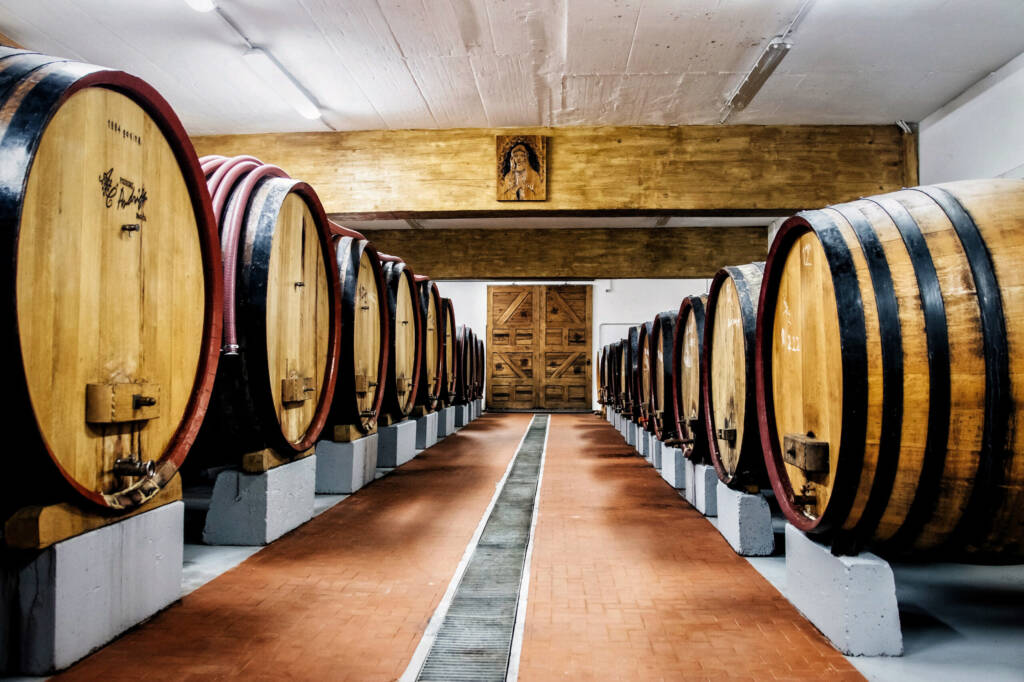
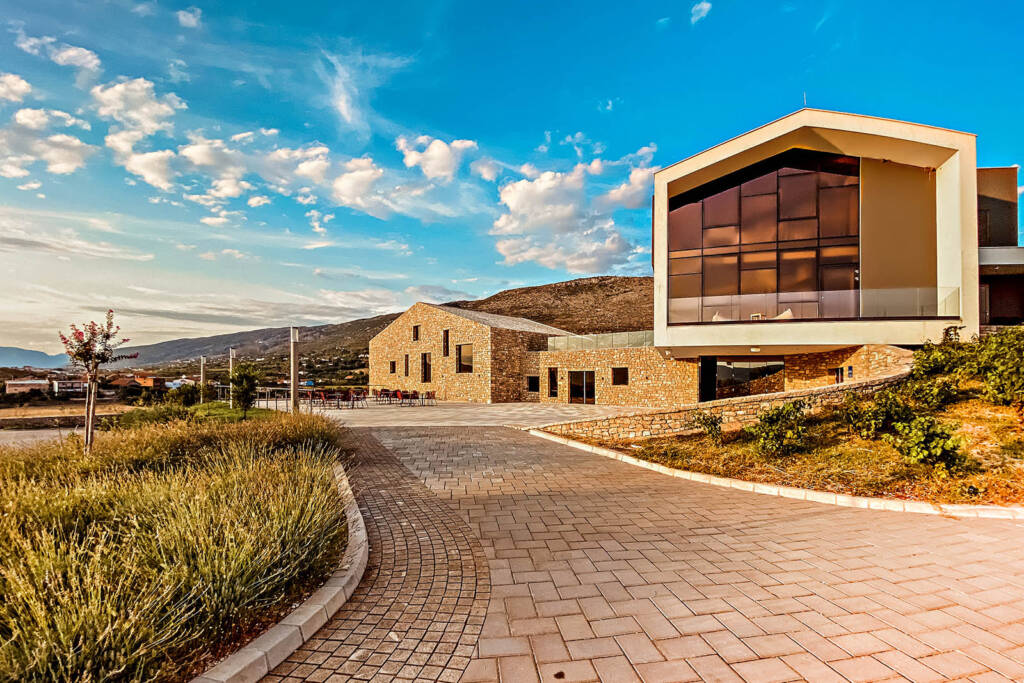
During the medieval period, vineyards were mentioned in charters of Bosnian rulers and Hum noble families. Travellers from the Ottoman era described the region as “a land of countless vineyards,” highlighting the continuity of wine culture despite shifting political landscapes.
A major transformation occurred under Austro‑Hungarian rule in the late 19th century. Modern vineyard systems were introduced, large plantations were established, and the first organized cellars were built. Wines from Herzegovina were showcased at international exhibitions in Vienna, Paris, London, and Barcelona, earning medals and recognition.
“Accept what life offers you and try to drink from every cup. All wines should be tasted; some should only be sipped, but with others, drink the whole bottle.” – Paulo Coelho.
Subregions of the Mostar Wine Region
Čitluk (Brotnjo) is the beating heart of Herzegovinian winemaking. Known as the cradle of Žilavka and Blatina, Brotnjo’s limestone‑rich soils and warm microclimate create ideal conditions for producing expressive, mineral‑driven wines.
Ljubuški is shaped by the Trebižat River and the iconic Kravica Waterfalls. Vineyards here benefit from constant airflow and abundant sunshine, producing wines with pronounced freshness and terroir‑driven character.
Čapljina combines ancient heritage with fertile alluvial soils near the Neretva River. The Roman complex in Mogorjelo is one of the most important archaeological wine sites in the country, linking today’s vineyards with a 2,000‑year‑old tradition.
Stolac is the historical soul of the region. The ancient city of Daorson, medieval necropolises, and centuries‑old stone terraces reveal a landscape shaped by wine culture since antiquity.
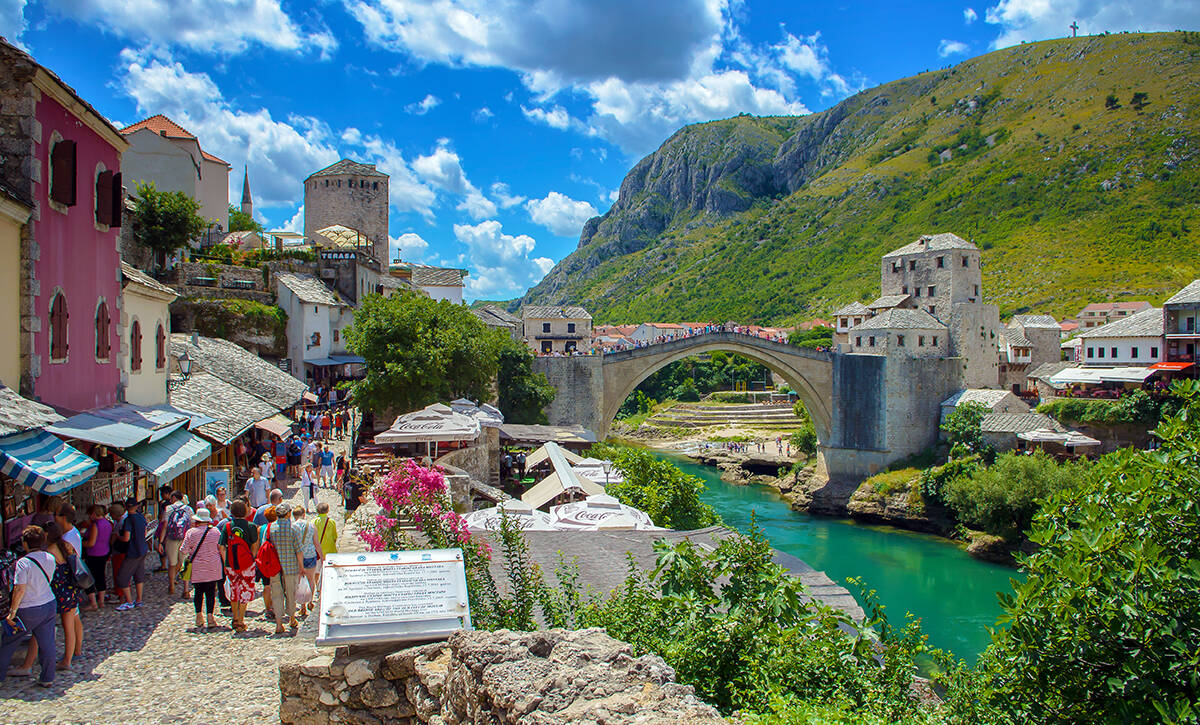
Mostar, the cultural capital of Herzegovina, is surrounded by vineyards on its southern and western slopes. The combination of altitude, rocky terrain, and intense sunlight produces wines with remarkable aromatic purity.
Grapes and Wine Styles of Herzegovina
Žilavka is the flagship white grape of Herzegovina. Known for its bright acidity, stone‑fruit aromas, and distinctive minerality, Žilavka has been awarded at international competitions since the 19th century. It is the region’s most recognizable wine on the global stage.
Blatina, the signature red variety, is unique because it is functionally female and requires companion varieties such as Alicante Bouschet or Trnjak for pollination. Blatina produces elegant, smooth, medium‑bodied wines with soft tannins and deep colour.
Trnjak, once nearly forgotten, is experiencing a renaissance. It yields powerful, structured reds with dark‑fruit aromas and excellent ageing potential. Vranac, widely known in the Balkans, also thrives in Herzegovina’s warm climate.
International varieties such as Chardonnay, Cabernet Sauvignon, and Merlot complement the local portfolio, allowing winemakers to experiment with blends and modern styles while preserving the authenticity of the region.
Wine Tourism and the Herzegovina Wine Route
The Herzegovina Wine Route is a curated network of wineries, cultural landmarks, restaurants, and natural attractions. It connects Čitluk, Međugorje, Ljubuški, Čapljina, and Stolac, offering visitors a seamless journey through the region’s wine culture.
The region’s tourism potential is immense. With Mostar’s Old Bridge, the pilgrimage site of Međugorje, and natural wonders like Kravica Waterfalls nearby, wine tourism blends effortlessly with cultural and adventure travel.
Many wineries offer guided tastings, cellar tours, vineyard walks, and food‑and‑wine pairings. Visitors can explore both boutique family cellars and large, historic producers, each offering a unique interpretation of Herzegovina’s terroir.
International travellers increasingly seek authentic, lesser‑known wine destinations, and Herzegovina fits this trend perfectly. Its combination of indigenous varieties, Mediterranean climate, and warm hospitality creates a memorable experience.
The Wine Route also connects visitors with archaeological sites, medieval fortresses, and traditional stone villages. This fusion of wine, history, and landscape gives the Mostar Wine Region a distinctive identity within the Balkans.
Today, the Mostar Wine Region stands at the crossroads of tradition and innovation. With its ancient roots, indigenous grapes, and growing tourism infrastructure, it is emerging as one of the most exciting wine destinations in Southeast Europe.

