


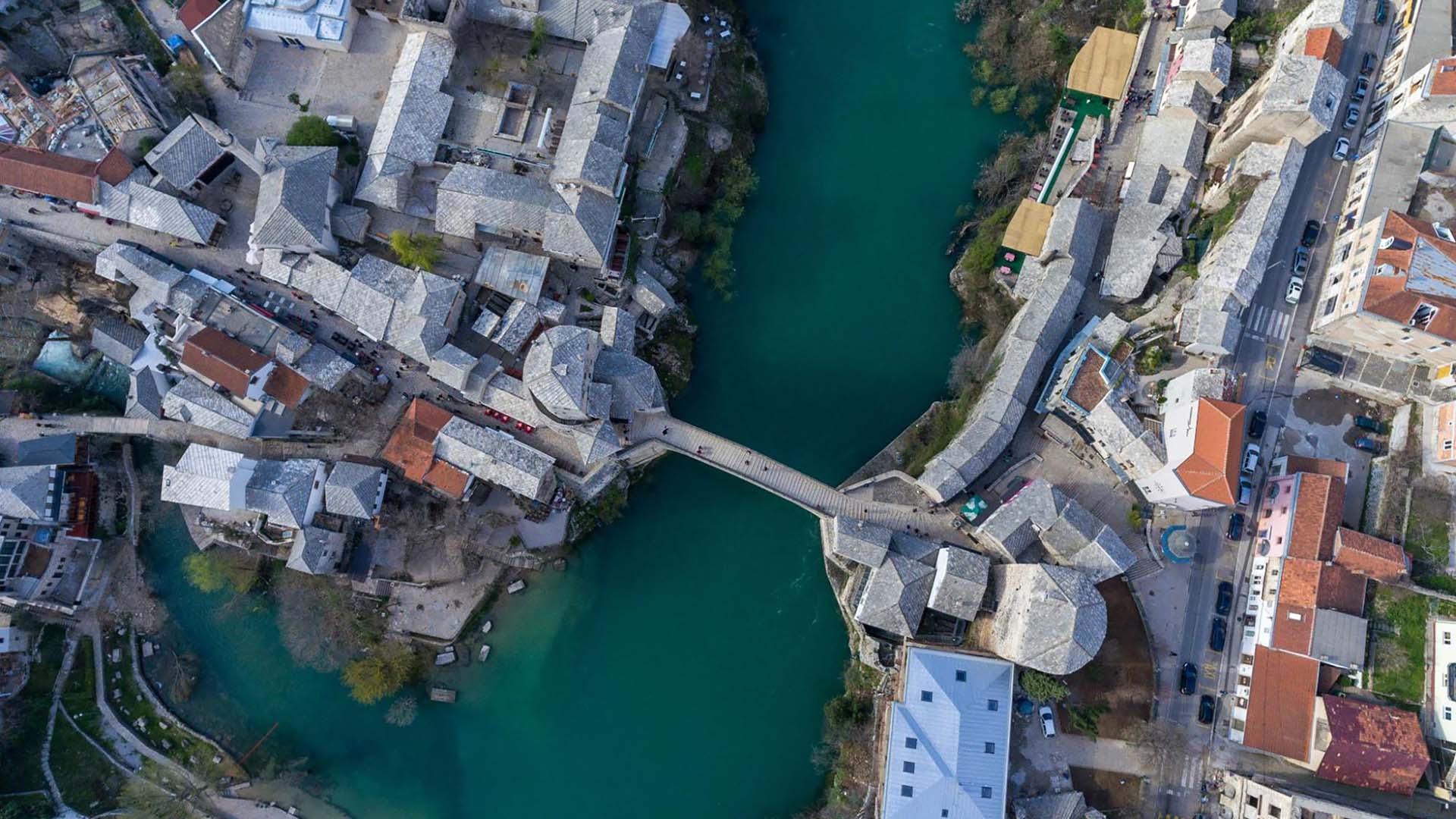
Mostar in summer is a place of dazzling light. The stone of the Old Bridge glows white, the Neretva cuts through the city like a ribbon of turquoise, and just beyond the urban edges, the landscape opens into one of the most distinctive wine regions in Southeast Europe. The Mostar Wine Region, stretching across the sun‑baked limestone plateaus of Herzegovina, is a world where ancient traditions, indigenous grapes, and Mediterranean influences blend into a wine culture unlike any other in the Balkans.
For visitors who come to Mostar in July or August—when the heat settles over the karst hills and the evenings stretch long and warm—exploring the local wine scene is not just a pleasant diversion. It’s a journey into the identity of Herzegovina itself.
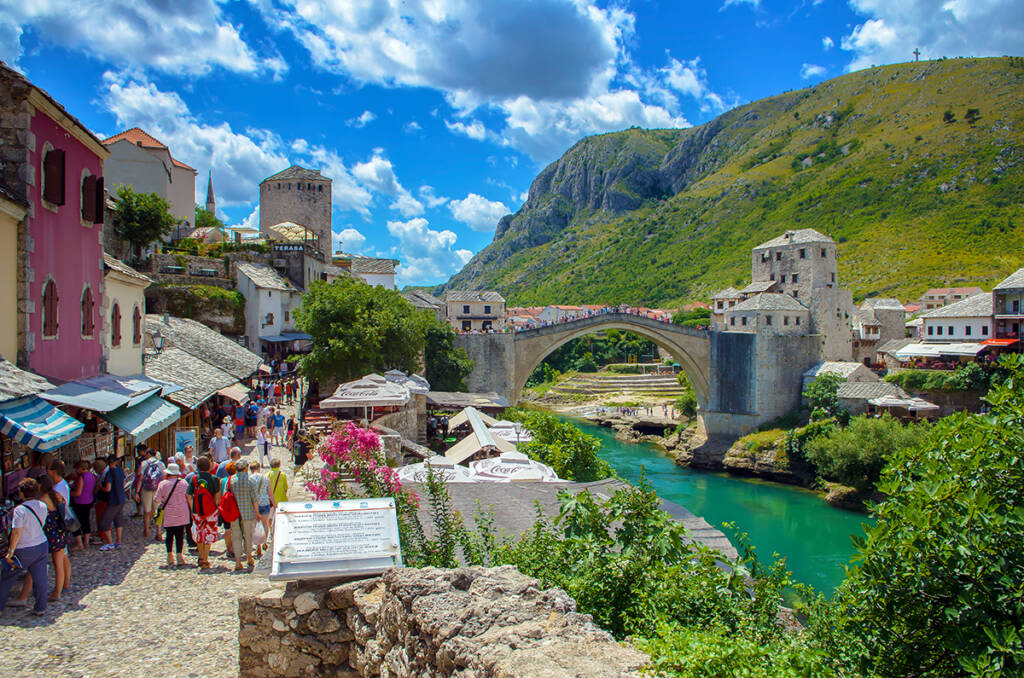
Subregions of the Mostar Wine Region
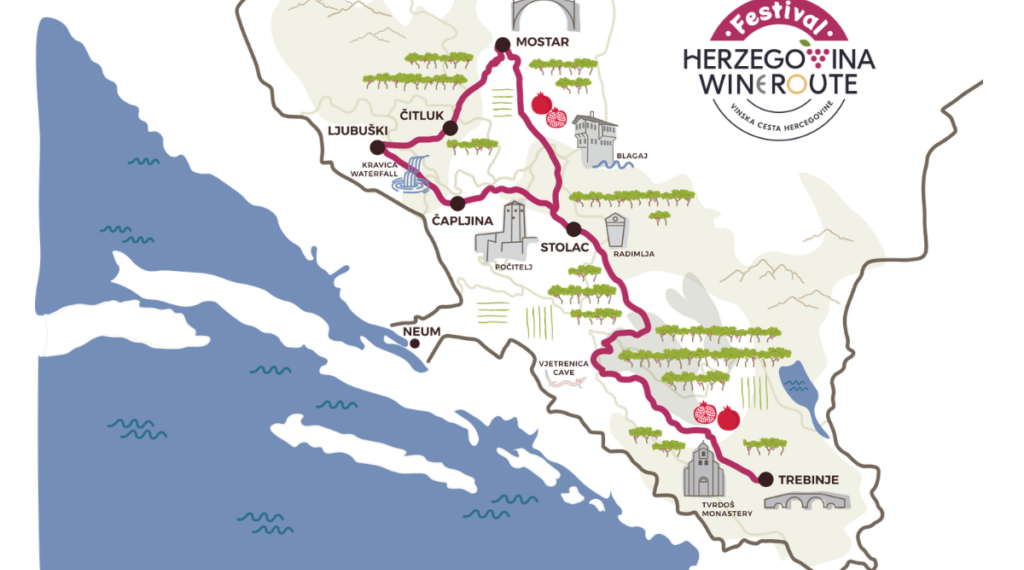
Although small in size, the Mostar wine area is surprisingly diverse. The region is generally divided into several micro‑zones, each shaped by altitude, soil, and exposure to the fierce Herzegovinian sun.
Mostar Basin
The vineyards closest to the city benefit from warm days and cool nights thanks to the Neretva River. This is where many modern wineries have established their cellars, combining tradition with contemporary winemaking.
Blagaj and Buna Valley
Just a short drive from Mostar, the Buna River springs from beneath a cliff, creating a lush oasis. Vineyards here enjoy slightly more humidity and fertile soils, producing expressive whites with floral and mineral notes.
Čitluk – Međugorje Plateau
Often considered the heart of Herzegovina’s wine production, this plateau is home to some of the region’s most established wineries. The limestone soils and constant sunshine create ideal conditions for the indigenous Žilavka and Blatina grapes.
Stolac and Bileća Highlands
Higher altitude vineyards in the wider region bring freshness and acidity to the wines. These areas are increasingly important as winemakers experiment with micro‑terroirs and sustainable viticulture.
Ljubuški and Trebižat Valley
Known for fertile soils and a slightly milder climate, this area produces approachable, fruit‑forward wines and is becoming a popular stop for wine tourism.
A Brief History of Winemaking in the Region
Wine has been part of Herzegovina’s identity for more than 2,000 years. The Illyrians cultivated vines long before the Romans arrived, and archaeological remains show that wine amphorae were traded across the Adriatic. During the medieval Bosnian kingdom, vineyards were protected assets, and monastic communities kept viticulture alive through turbulent centuries.
The Ottoman period brought challenges—Islamic rule limited wine production—but local families continued to grow grapes for household use. When the Austro‑Hungarian Empire took control in the late 19th century, winemaking experienced a renaissance. Modern techniques were introduced, cooperatives were formed, and Herzegovina’s indigenous varieties were finally recognized for their quality.
After the 1990s, a new generation of winemakers emerged, investing in technology, replanting vineyards, and opening their doors to visitors. Today, the Mostar Wine Region is one of the most exciting wine destinations in the Balkans, blending ancient heritage with modern ambition.
Indigenous Wine Varieties
Žilavka
If one grape defines Herzegovina, it is Žilavka. This white variety thrives in the harsh, stony soils around Mostar, where its deep roots search for moisture. The result is a wine that is bright, mineral, citrus‑driven, and naturally high in acidity. Žilavka can be crisp and refreshing in its young form, but it also ages beautifully in oak, developing honeyed and nutty complexity.
Blatina
The queen of Herzegovinian reds, Blatina is unique because it is a female‑flowering grape, meaning it requires other varieties—like Alicante Bouschet or Vranac—to pollinate it. This makes it rare and somewhat unpredictable, but when grown well, Blatina produces elegant, medium‑bodied wines with soft tannins and red berry notes. It is the perfect summer red: expressive but never heavy.
Other Local Varieties
Trnjak is a rising star, producing deep, structured reds with dark fruit and spice.
Vranac, though not indigenous, is widely planted and adds power and color.
Bena is a rare white variety being revived by a few passionate producers.
Wine Styles of the Mostar Region
Fresh, Mineral Whites
Žilavka leads the way, often vinified in stainless steel to preserve its crispness. These wines are ideal for summer drinking and pair well with Mostar’s famous trout, grilled vegetables, or local cheeses.
Barrel‑Aged Whites
Some wineries craft more complex Žilavka styles aged in oak or acacia barrels. These wines show depth, texture, and aging potential, appealing to lovers of structured whites.
Elegant Reds
Blatina dominates the red category, offering smooth, balanced wines that shine with Mediterranean cuisine. These reds rarely exceed 13% alcohol, making them perfect for warm evenings.
Bold, Structured Reds
Trnjak and Vranac bring intensity and richness. These wines are darker, fuller, and ideal for visitors who enjoy powerful reds.
Rosé and Summer Wines
The region produces refreshing rosés—often from Blatina or Alicante Bouschet—that pair beautifully with Mostar’s summer heat.
Traditional and Natural Wines
A growing number of winemakers experiment with amphora aging, wild fermentation, and minimal‑intervention styles, adding diversity to the region’s offerings.
Wineries to Discover Around Mostar
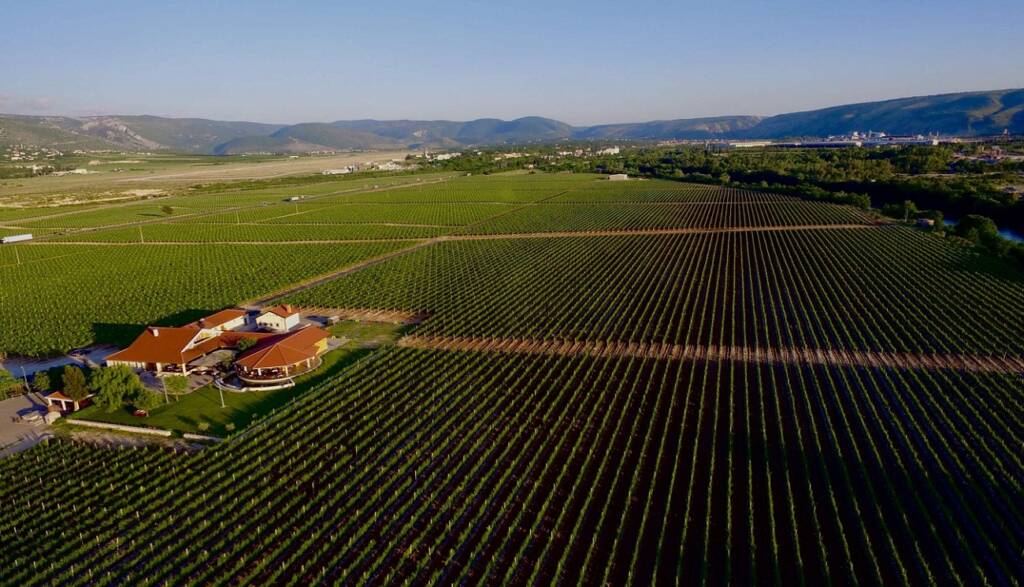
The Mostar Wine Region is dotted with family‑run cellars, modern estates, and historic producers. Here are ten wineries that shape the local scene:
Brkić Winery
Čitluk Winery
Andrija Winery
Carska Vina
Marijanović Winery
Vina Zadro
Podrumi Škegro
Buntić Winery
Vina Nuić
AG Winery
Visitors can easily plan a half‑day or full‑day wine tour from Mostar, exploring cellars, tasting rooms, and vineyard viewpoints that capture the region’s rugged beauty.
Why Mostar Visitors Fall in Love With the Wine Region
Mostar in summer is intense—sun, stone, river, crowds, history. The wine region offers a different rhythm. Just 10–20 minutes outside the city, the landscape opens into quiet vineyards, olive groves, and small villages where time moves slower.
A wine tour becomes a break from the heat, a chance to taste authentic local flavors, a way to understand Herzegovina beyond the Old Bridge, and an opportunity to meet passionate winemakers. For many visitors, discovering Žilavka or Blatina becomes one of the highlights of their trip.
A Region Ready for the Future
The Mostar Wine Region is evolving quickly. Young winemakers are returning from abroad with new ideas, wineries are investing in tourism, and indigenous grapes are gaining international recognition. As the region grows, it remains deeply rooted in its heritage—sun, stone, and the resilience of its people.
For travelers seeking authenticity, character, and a taste of something truly local, the vineyards around Mostar offer an unforgettable journey.