


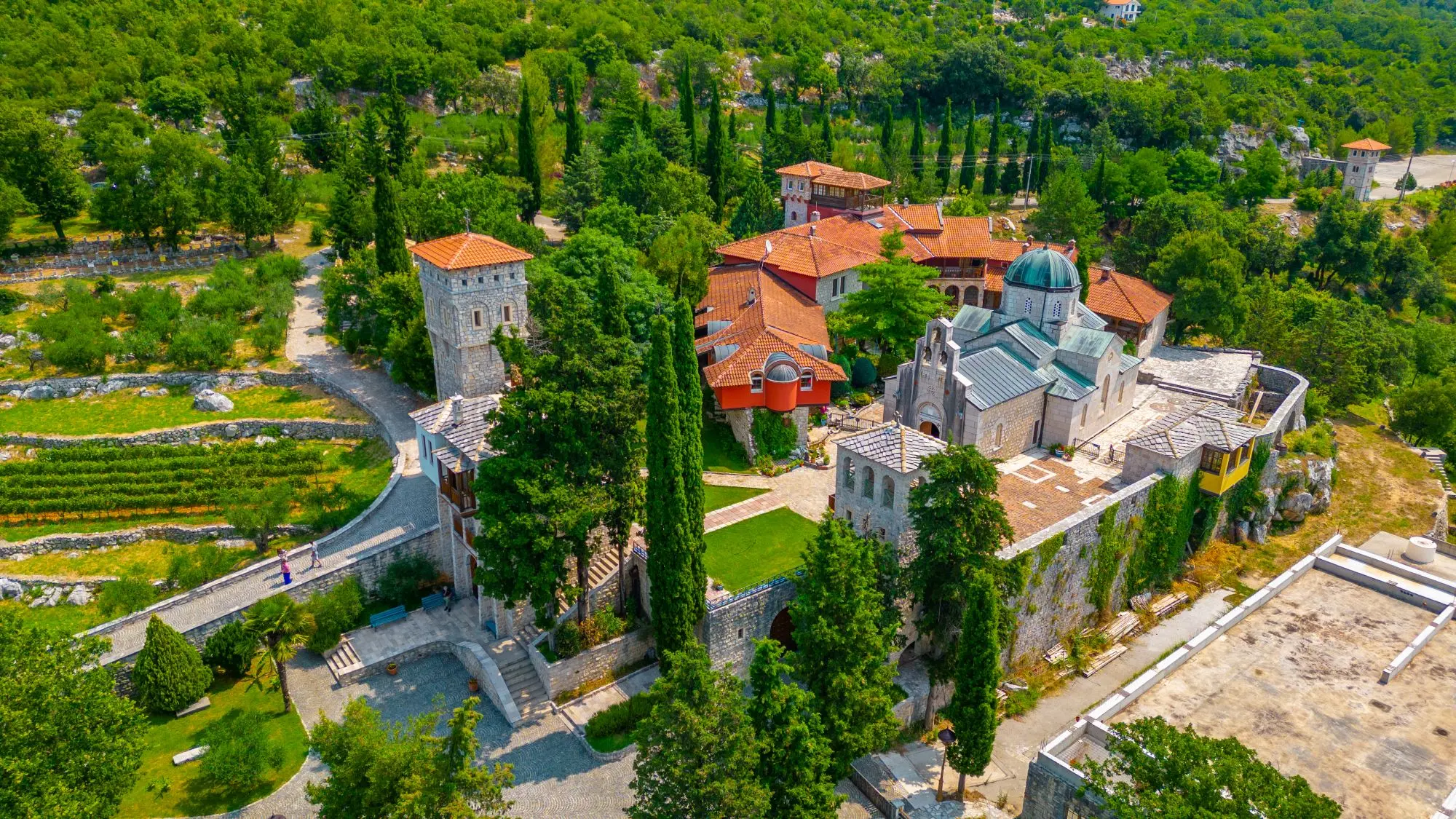
Travelers who base themselves in Mostar during the summer often hear whispers about Trebinje—a quieter, greener, more Mediterranean corner of Herzegovina that feels worlds away from the bustle of the Old Bridge. Set against rolling hills and fed by the slow, glassy Trebišnjica River, Trebinje has become one of the most compelling wine destinations in the Balkans. Its vineyards, warmed by Adriatic breezes and rooted in limestone soils, produce wines with a character that is unmistakably southern yet deeply tied to Herzegovina’s ancient traditions.
For visitors looking to escape the heat, enjoy scenic drives, and taste wines shaped by centuries of craftsmanship, the Trebinje Wine Region offers an experience that blends culture, landscape, and flavor into something unforgettable.
Subregions of the Trebinje Wine Region
The Trebinje area may be compact, but its wine landscape is surprisingly varied. Each subregion brings its own microclimate, soil type, and stylistic influence.
Trebinje Valley
The heart of the region lies in the valley surrounding the city itself. Here, vineyards stretch along the Trebišnjica River, benefiting from fertile alluvial soils and a warm, stable climate. Many of the region’s most established wineries are located in this zone, taking advantage of easy access and gentle terrain.
Tvrdoš and Lastva Hills
West of the city, the land rises into rocky slopes dotted with monasteries, stone houses, and old vineyards. The soils are thin and mineral‑rich, producing wines with structure and depth. This area is especially known for expressive reds and aromatic whites.
Popovo Polje
A dramatic karst field extending toward the Adriatic, Popovo Polje is one of the most distinctive wine zones in Herzegovina. Summers are scorching, winters can be sharp, and the winds never seem to stop. Grapes grown here develop thick skins and concentrated flavors, resulting in bold, powerful wines.
Ljubomir Plateau
Higher elevation vineyards north of Trebinje enjoy cooler nights and slower ripening. This plateau is becoming increasingly important for producers seeking freshness and acidity in their wines.
Zupci and the Coastal Fringe
Closer to the Montenegrin border, the climate becomes noticeably Mediterranean. Olive groves, fig trees, and vineyards coexist, and the wines often show softer textures and ripe, sun‑kissed fruit.
Together, these subregions create a patchwork of terroirs that give Trebinje’s wines their layered and distinctive personality.
A Glimpse Into Trebinje’s Winemaking Past
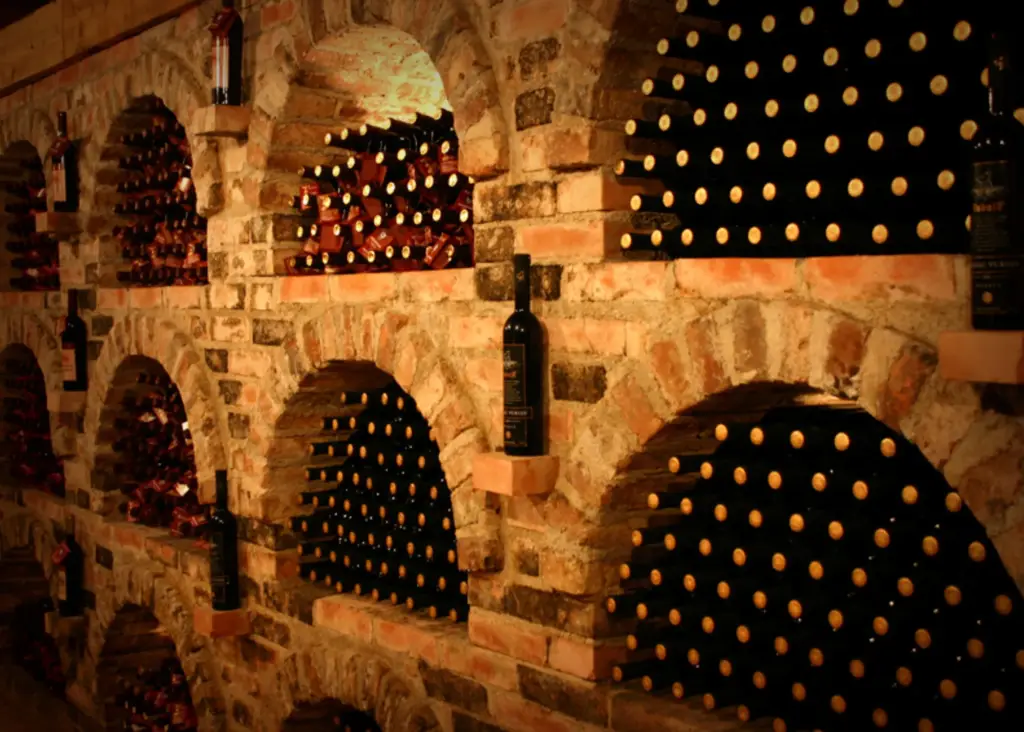
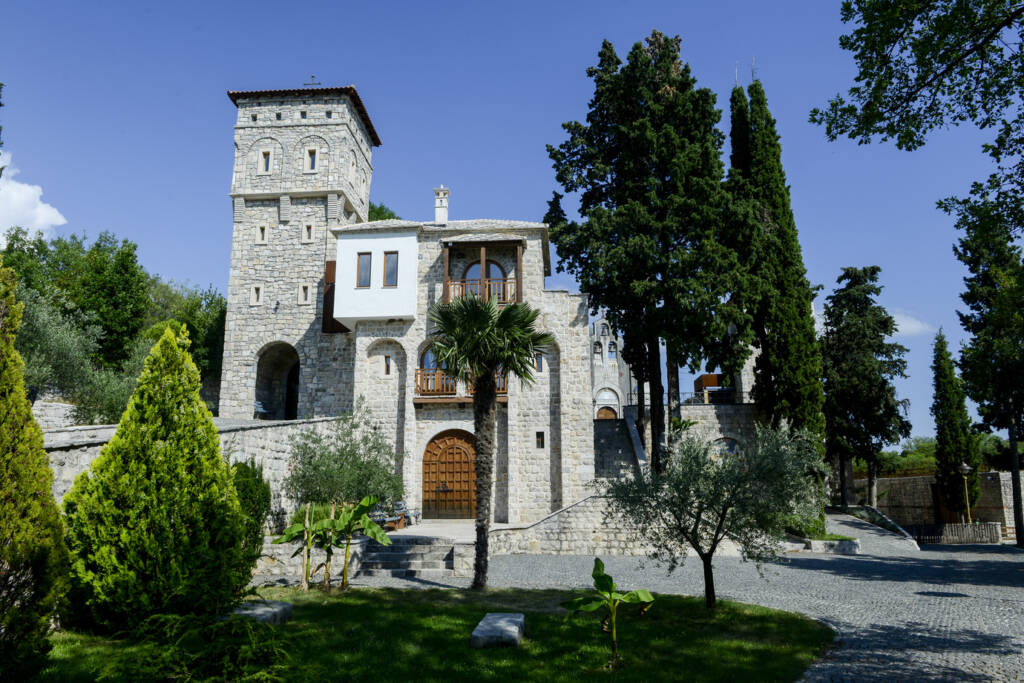
Wine has been part of Trebinje’s identity for thousands of years. The Illyrians cultivated vines long before the Romans arrived, and the region’s amphorae have been found in ancient coastal trade routes. During the medieval period, monastic communities preserved viticulture, with the most famous example being the Tvrdoš Monastery, whose stone cellars date back to the 1400s.
Under Ottoman rule, wine production survived quietly within families and religious institutions. When the Austro‑Hungarian Empire took control in the late 19th century, Trebinje’s vineyards expanded, and modern winemaking techniques began to take root.
The late 20th century brought challenges, but also renewal. After the 1990s, a new generation of winemakers invested in vineyards, technology, and tourism. Today, Trebinje stands as one of the most dynamic wine regions in the Western Balkans, balancing deep heritage with modern ambition.
Indigenous Wine Varieties
Žilavka
Žilavka is the backbone of Herzegovina’s white wine tradition, and in Trebinje it takes on a slightly different expression. The warmer, Mediterranean‑influenced climate gives the grape richer aromas and a rounder mouthfeel. Expect notes of citrus, peach, and herbs, supported by a clean mineral finish.
Blatina
Blatina, the region’s signature red, is known for its elegance and gentle tannins. Because it requires pollinator varieties, it is notoriously difficult to grow, but when handled well, it produces smooth, balanced wines with red fruit, spice, and a refreshing lift.
Vranac
Though not native to Herzegovina, Vranac has become one of Trebinje’s most important grapes. It thrives in the region’s heat, producing dark, intense wines with flavors of blackberry, plum, and Mediterranean herbs.
Trnjak
A rising star across Herzegovina, Trnjak is gaining momentum in Trebinje as well. It offers depth, structure, and complexity, often showing dark fruit, spice, and earthy undertones.
Other Local Grapes
Some producers are experimenting with old field blends, reviving forgotten varieties, and exploring natural winemaking techniques. These efforts add diversity and authenticity to the region’s wine identity.
Wine Styles of the Trebinje Region
Bright, Aromatic Whites
Trebinje’s whites often reflect the region’s Mediterranean influence: ripe fruit, floral notes, and a soft, rounded texture. Stainless‑steel Žilavka is especially refreshing during the summer months.
Barrel‑Aged Whites
Some wineries craft more structured whites using oak or acacia barrels. These wines show depth, spice, and aging potential, appealing to visitors who enjoy fuller‑bodied styles.
Elegant, Food‑Friendly Reds
Blatina remains the region’s most graceful red, offering smooth tannins and lively acidity. It pairs beautifully with local dishes such as grilled vegetables, lamb, and Mediterranean stews.
Powerful, Structured Reds
Vranac and Trnjak dominate the fuller‑bodied category. These wines are rich, dark, and expressive—ideal for visitors who enjoy bold reds.
Rosé Wines
Trebinje produces excellent rosés, often from Blatina or Vranac. These wines are crisp, fruit‑forward, and perfect for hot summer afternoons.
Traditional and Natural Wines
A growing number of producers are experimenting with amphorae, wild fermentation, and minimal‑intervention techniques. These wines appeal to travelers seeking authenticity and character.
Wineries to Explore Around Trebinje
The Trebinje Wine Region is home to a mix of historic estates, modern cellars, and family‑run wineries. Here are ten producers that contribute to the region’s vibrant wine culture:
Tvrdoš Monastery
Vukoje Winery
Anđelić Winery
Petijević Winery
Vina Zubac
Vina Tulić
Podrumi Vukoje 1982
Vina Romanija
Vina Đordan
Vina Okuka
Each offers a different experience—from ancient monastery cellars to modern tasting rooms overlooking the river and hills.
Why Trebinje Appeals to Mostar Visitors in Summer
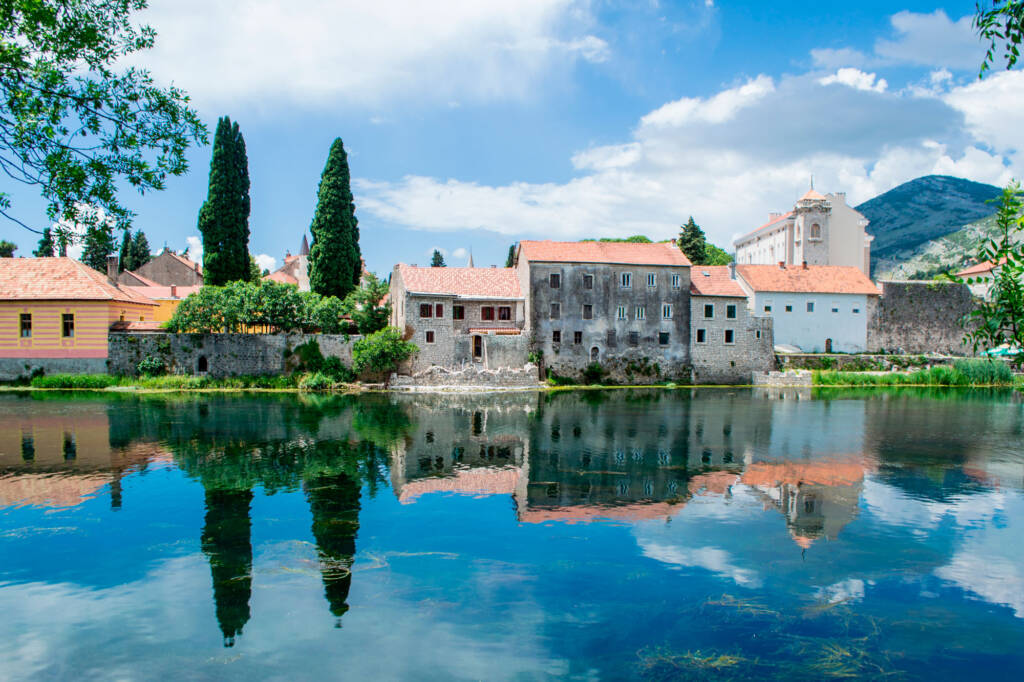
For travelers staying in Mostar, Trebinje feels like a refreshing escape. The drive south winds through mountains and valleys before opening into a green, sunlit basin filled with vineyards, olive groves, and stone villages.
Trebinje’s charm lies in its atmosphere: quiet streets, shaded squares, riverfront cafés, and a slower Mediterranean rhythm. The wine region adds another layer—authentic, welcoming, and deeply connected to the land.
A visit to Trebinje offers:
A cooler, greener landscape
A chance to taste wines shaped by Mediterranean influence
A blend of history, culture, and gastronomy
A relaxed alternative to coastal crowds
A memorable addition to a Mostar‑based holiday
Many visitors describe Trebinje as one of the most pleasant surprises of their trip.
A Region Looking Ahead
Trebinje’s wine scene is evolving quickly. Young winemakers are returning with new ideas, wineries are investing in tourism, and indigenous grapes are gaining international attention. The region’s climate, limestone soils, and centuries‑old traditions give it enormous potential.
As Trebinje grows, it remains grounded in its heritage—monasteries, stone villages, and the timeless flow of the Trebišnjica River. For travelers seeking authenticity, character, and a taste of southern Herzegovina, the Trebinje Wine Region offers an experience that lingers long after the last glass is finished.